Opening a Student Bank Account in the UK
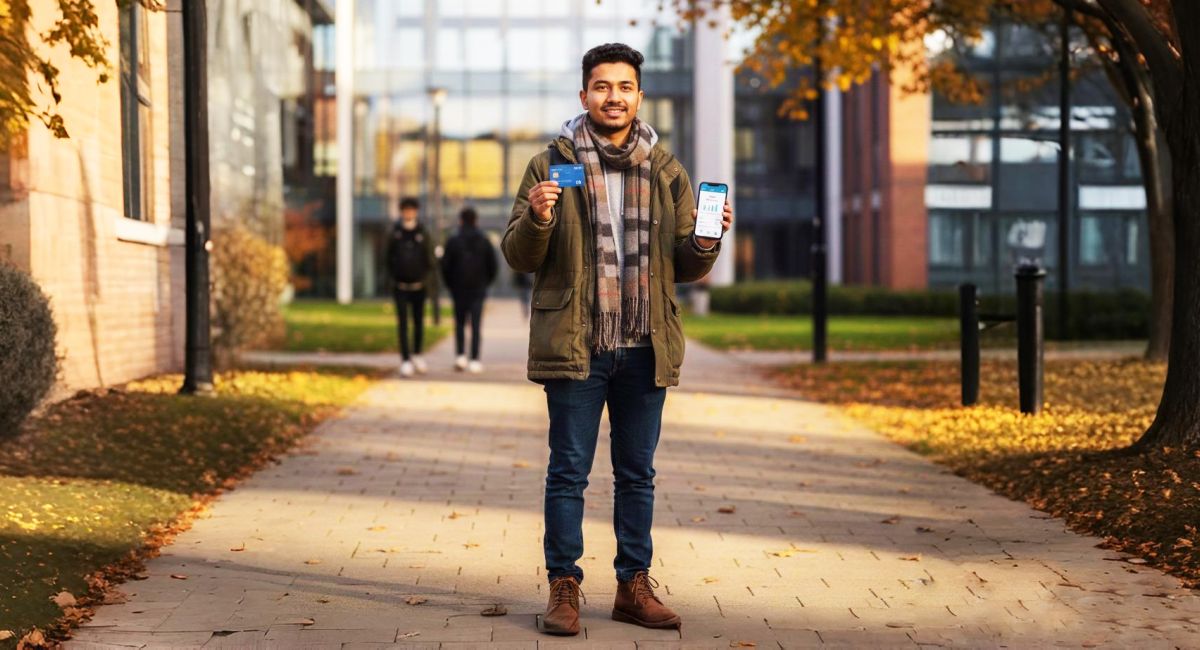
When Nepali students first arrive in the UK, opening a local bank account quickly becomes one of the most important tasks on their to-do list. Having a UK account allows you to manage your daily expenses with ease. You need it to pay rent and tuition, receive scholarships or financial support from home without delays, and also avoid the high fees that come with using Nepali cards abroad. It also helps you start building a financial footprint in the country, which can be useful later for things like mobile recharge, accommodation, or numerous other things. In a new environment where everything from transport cards to online shopping depends on smooth digital payments, having your own UK account gives you stability and convenience right from the beginning.
Despite its importance, opening a student bank account requires preparation. British banks have strict verification processes, and they expect students to provide official documents before an account can be approved. You will need to prove your identity, your immigration status, your student status, and your UK address. These checks exist to protect both the bank and the account holder, but they can feel confusing if you are unfamiliar with the system. Understanding these requirements in advance helps Nepali students choose the right bank and complete the process confidently. Below are the key documents you will need, along with practical tips to make the process smoother once you arrive.
What Documents You’ll Usually Need
Proof of Identity
Banks require solid identification before opening a student account. Your passport is the primary document, and you should present it during the application. If you have a Biometric Residence Permit (BRP) or a valid student visa, include these as well, since they confirm your immigration status and help the bank verify your legal right to stay in the UK.
Proof of UK Address
You must provide an official document that shows your current UK address. Banks commonly accept the following as valid proof:
- A university letter confirming your accommodation (often referred to as a “bank letter” or student status letter)
- A tenancy agreement if you are renting privately
- In some cases, utility bills or other official correspondence delivered to your UK address
Proof of Student Status
Since you are opening a student account, the bank must confirm your enrollment at a UK institution. Accepted documents typically include:
- Your university offer letter or unconditional acceptance letter
- A student status letter or “bank letter” issued by your university registry that includes your UK address and course details
- A UCAS code, which some banks request depending on the type of account
Immigration Status Documentation
Banks also check your right to live and study in the UK. You may be asked to provide:
- Your visa document, if you hold a visa sticker in your passport
- A digital immigration status or share code used to verify your visa online
- A Biometric Residence Permit (BRP), when applicable
Popular Banks and Student Accounts
Some UK banks cater specifically to students and international students, offering features like interest-free overdrafts, mobile banking, and no monthly fees. Here are a few options and what makes them attractive:
- HSBC: Their international student account is designed for students who have lived in UK for less than three years.
- Lloyds: Offers a simple account, and you can apply via their app or by visiting a branch
- Other high street banks: Barclays, NatWest, Santander and more also provide student-friendly options, although the exact benefits (such as overdrafts) depend on the bank and your student status.
Advantages of Having a UK Student Bank Account
- You often get access to an interest-free overdraft for the first year or more, helping you manage cash flow early in your studies.
- There are no monthly maintenance fees, unlike many standard current accounts.
- You will receive a debit card that supports contactless payments.
- Online and mobile banking make it easy to track your spending, pay rent, and set up direct debits.
- Some student accounts come with additional perks, such as cashback offers or travel discounts.
How to Open Your Account – Step by Step
- Gather Documents: Prepare your passport, proof of address, confirmation of student status, and visa/BRP.
- Research Banks: Compare account features, overdraft limits, and whether they accept international students.
- Apply: Many banks let you start the process online. However, you may need to visit a branch to verify your identity.
- Activate Online Banking: Once your account is approved, set up internet banking so you can manage your money from your phone or laptop.
- Use the Account: Use it to pay your tuition, receive allowance or funds, and manage your living expenses. Building a UK banking history can also help with future financial needs, such as getting a credit card.
Tips for Nepali Students
- Start early: It helps to open your bank account soon after arriving in the UK so you can use it for daily expenses and payments.
- Choose the right bank: Select a bank that is “international-student-friendly” and has good customer support.
- Keep copies of your documents: Maintain both digital and physical copies of all important documents, just in case you need them later.
- Understand overdraft terms: Know how much you can overdraft and when interest may apply to avoid unnecessary charges.
- Notify your bank of changes: If you change your address during your studies, inform your bank so they can update their records.