The Impact of Brexit on Nepali Students Applying to UK Universities
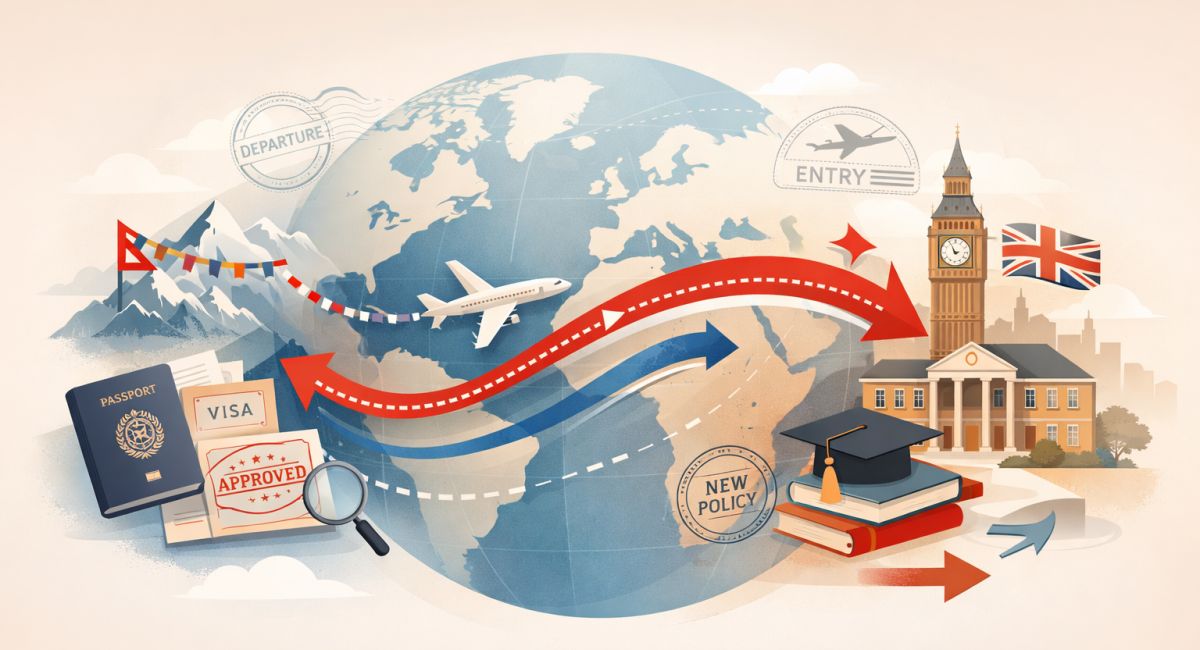
The United Kingdom’s choice to leave the European Union was one of the most important political and economic changes in British history. Brexit mostly changed how the UK interacted with other European countries, but its effects were felt all over the world. In the years that followed, education, immigration, and international travel all changed.
Brexit did not directly ban or limit Nepali students who want to study in the UK. But it changed the bigger picture in which UK universities work. After Brexit, policies about tuition, visas, immigration control, and hiring changed. Universities had to think again about where their students would come from. The government looked over the immigration pathways and made some requirements stricter. Over time, these changes affected the experiences of all international applicants, even those from Nepal.
So, understanding Brexit is less about politics and more about being aware of how things work. Students and families in Nepal need to know how these changes to the structure affect admissions, financial planning, visa rules, and opportunities after graduation. When you look at it closely, Brexit offers Nepali applicants both new chances and more things to do.
1. UK Universities Shifted Their Recruitment Focus
One of the clearest outcomes of Brexit was a sharp decline in enrolment from European Union countries. EU students, who previously paid domestic level tuition fees and did not require visas, began paying international fees and following standard visa procedures. As a result, many EU students reconsidered their plans to study in the UK.
To maintain international enrolment numbers, UK universities expanded recruitment efforts in non-European countries. South Asia became a major focus area. Countries such as Nepal gained greater visibility in university outreach campaigns, virtual fairs, and regional partnerships.
For Nepali students, this shift created increased opportunity. Universities became more proactive in engaging with education consultancies, hosting online information sessions, and offering competitive scholarships to attract strong applicants from outside Europe.
2. Immigration Policies Became Stricter and More Structured
Brexit contributed to a broader restructuring of the UK immigration system. The government introduced a points based framework designed to create a unified approach for both EU and non EU nationals.
For international students, including those from Nepal, this meant closer scrutiny of visa documentation, financial evidence, and compliance with work restrictions. Proof of maintenance funds increased in importance. Regulations around dependents tightened, especially for certain postgraduate programs.
These adjustments did not eliminate access for Nepali students. They required more careful preparation. Families now need to plan financial documentation earlier and ensure all visa requirements are met precisely.
3. Financial Planning Became Even More Important
With immigration policies under closer control, financial transparency became a key part of the application process. Maintenance fund thresholds and documentation standards are strictly reviewed.
Nepali students must demonstrate sufficient funds for tuition and living expenses before visa approval. This requirement encourages earlier financial preparation and clearer budgeting. Part times jobs in the UK have become more important.
Brexit itself did not increase tuition fees for Nepali students, since they already paid international rates before the UK left the EU. However, the broader migration environment has made financial readiness more central than ever.
4. Classroom Diversity Has Evolved
Before Brexit, a significant proportion of international students in the UK came from EU countries. After the policy change, EU enrolment declined. At the same time, student numbers from Asia, Africa, and the Middle East increased. Nevertheless, the UK’s Education system still maintains diverse degrees and programs.
For Nepali students, this means classrooms now reflect a wider global mix. The learning environment continues to be multicultural, though with stronger representation from non-European regions.
This shift can enhance global networking opportunities and cultural exchange within universities.
5. Post Study Opportunities Remain a Key Attraction
One of the major questions students ask after Brexit concerns post study work rights. The UK introduced the Graduate Route, which allows eligible international students to remain in the country for a period after completing their degree.
While immigration policies continue to evolve, the UK still positions itself as a destination that offers both academic training and exposure to international work experience. Nepali students must stay updated on current visa conditions, though opportunities for post study employment remain available under approved pathways.
Brexit reshaped the UK’s immigration and education landscape, though its impact on Nepali students has been indirect rather than restrictive. The decline in EU enrolment opened greater recruitment focus toward countries such as Nepal. At the same time, visa compliance and financial preparation became more structured and closely monitored.
For Nepali applicants, the key takeaway is preparation. Clear documentation, early financial planning, and updated knowledge of immigration rules are essential. With careful strategy and accurate information, the United Kingdom continues to offer strong academic and professional opportunities for students from Nepal.