Cultural Adjustment as a Nepali Student in the UK
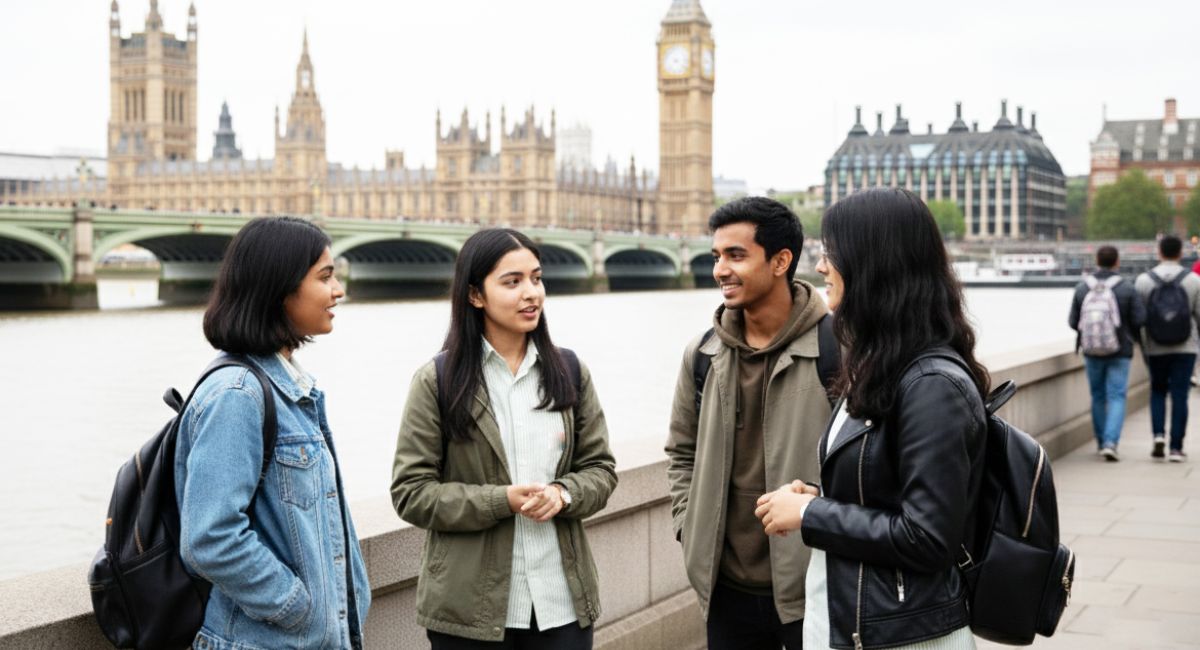
Among the most popular destinations, the United Kingdom stands out for its academic reputation and a multicultural environment. For many Nepalese students, the decision to study in the UK is motivated by both. Nepali students want a high-quality education along with some international exposure that assist them in their personal growth.
Nevertheless, moving to the UK also comes with a set of cultural adjustments that can feel both exciting and challenging. Understanding these shifts not only helps students adapt more smoothly but also enriches their overall experience abroad.
Weather, Pace, and Everyday Life
One of the earliest cultural shocks for Nepalese students is often the weather. The UK’s climate, particularly in autumn and winter, can feel overwhelmingly cold and grey compared to Nepal’s more diverse seasonal cycles. The days are shorter with rain-soaked mornings, and the evenings can get chilly. The winds can be quite strong compared to Nepal but the summer days are much longer and sometimes it can get quite hot. Over time, students gradually learn to adapt to the weather in the UK but it can be quite challenging in the beginning.
Daily life also moves differently in the UK. People tend to follow schedules strictly, with punctuality seen as a basic expectation rather than a courtesy. Public transport runs on time and the overall pace can appear brisk. This contrasts with Nepal’s more flexible, relationship-oriented tempo, where conversations flow easily and routines can shift without notice. For Nepalese students, learning this new tempo often becomes an early lesson in time management and personal discipline.
Academic Culture
The academic transition can be overwhelming in the beginning. UK universities emphasize independent learning, reading and research, critical analysis, and active participation. Lecturers expect students to question ideas and contribute their perspectives rather than listen passively. This might surprise Nepali students who come from a different and result focused education system.
Assignments often require extensive reading and proper referencing. Libraries become essential spaces for quiet study zones and research support. Group work and presentations encourage team-work and confidence-building. For many Nepalese students, this academic culture may feel demanding at first, but it ultimately nurtures skills that are highly valued globally.
Navigating Politeness and Personal Space
A major part of studying in the UK involves social communication. British politeness is both subtle and structured. They rely heavily on softening phrases such as “perhaps,” “maybe,” or “would you mind.” Meanwhile, respect for personal space is of utmost importance. People often prefer standing at arm’s length and value privacy. If you are meeting someone, it is better not to barge in, and provide prior notice before visits.
In Nepal’s close community culture, where appreciation and admiration are expressed through proximity and spontaneous interaction, this can feel somewhat distant at first. However, once students spend time with locals, they come to understand that British politeness is a form of respect. It not rude; just different.
Food habits are a part of your social experiences. Dishes in the UK are often less spicy and more dairy-based, and eating schedules tend to be very fixed. While Nepalese students may miss dal bhat, momo, and home flavours, the UK’s multicultural food scene quickly becomes a source of comfort. Nepali restaurants, Indian takeaways, Asian supermarkets, and community gatherings often provide familiar tastes and a sense of belonging.
Being Nepalese in a Global Setting
Living in the UK gives Nepali students an opportunity to rethink their identity in a global context. Many become informal cultural ambassadors, who explain Nepal’s history, festivals, language, and geography to classmates who may only know the Buddha, Everest or Gurkhas. Festivals such as Dashain, Tihar, Holi, and Nepali New Year take on new meaning abroad.
Student societies, particularly Nepalese student associations or South Asian cultural groups, play a major role in this adjustment. They organize events, support newcomers, and create spaces where students can speak Nepali freely and feel at home. These networks become lifelines during exam seasons, homesick moments, or personal challenges.
Finances, Work, and Independence
Financial management is another key aspect. Firstly, Nepali students must adjust to the currency. At first, they are constantly calculating the exchange rate. But overtime one starts to adjust to this change. The UK’s cost of living, especially accommodation, transportation, and groceries, requires careful budgeting. Many students take part-time jobs to support themselves, gaining experience in different workspaces. Learning to balance work and studies becomes part of the British student experience.
The UK also requires a strong sense of independence. From cooking and cleaning to navigating bureaucracy, healthcare registration, and banking, students often handle responsibilities they may not have managed at home. Though challenging, these tasks build confidence and resilience.