
For many students planning to Study in the UK from Nepal, tuition fees and visa expenses are the first things that come to mind. While these are significant, they are only part of the overall financial picture. The reality of Higher Education in the UK includes several hidden costs that students often underestimate.
Failing to plan for these expenses can create unnecessary stress during your studies. Understanding these costs in advance helps you budget better and focus on your academic journey with confidence. Here are some commonly overlooked expenses that every Nepali student should be aware of.
1. Accommodation Deposits and Advance Payments
Before moving into student housing or private accommodation, most landlords require a security deposit along with advance rent. In many cases, you may need to pay for one or even two months upfront.
This can feel overwhelming, especially when combined with travel and initial setup costs. University accommodations may also require booking fees that are not always refundable.
Planning tip: Always set aside extra funds before departure to cover these upfront housing costs.
2. Utility Bills and Internet Costs
If you choose private accommodation, rent may not include utility bills. Expenses such as electricity, heating, water, and internet can add a significant monthly cost.
Heating is especially important during winter, and energy bills tend to increase during colder months. Many students underestimate how much they will spend just to stay comfortable.
Planning tip: Check whether bills are included in your rent before signing any agreement.
3. Public Transport and Daily Travel
While the UK has an efficient transport system, daily commuting can become expensive over time. Costs vary depending on the city and distance from your university.
Students often rely on buses, trains, or underground systems in cities like London. Even with student discounts, monthly travel costs can add up quickly.
Planning tip: Look into student travel cards or passes to reduce long-term expenses.
4. Course Materials and Academic Supplies
Many students assume that all study materials will be provided by the university. In reality, you may need to purchase textbooks, software, or printing credits.
Some courses require specialized materials or access to paid resources. These costs may seem small individually, though they accumulate over time.
Planning tip: Explore libraries, second-hand books, and digital resources to save money.
5. Healthcare Surcharge and Medical Expenses
As part of your visa application, you will pay the Immigration Health Surcharge, which gives access to the UK’s healthcare system. While this covers many services, it does not include everything.
Costs such as dental care, eye tests, and certain prescriptions may require additional payment. These are often overlooked when planning finances.
Planning tip: Keep a small emergency fund for health-related expenses.
6. Food and Grocery Spending
Cooking at home is generally more affordable than eating out. Even then, grocery costs can vary depending on your lifestyle and dietary preferences.
For Nepali students, finding familiar ingredients may sometimes mean shopping at specialty stores, which can be slightly more expensive.
Planning tip: Create a weekly food budget and explore local supermarkets for better deals.
7. Winter Clothing and Seasonal Expenses
The UK climate can be very different from Nepal. Proper winter clothing is essential, especially during colder months.
Items such as jackets, boots, and thermal wear can be expensive if purchased after arrival. Many students do not include this in their initial budget.
Planning tip: Either carry essential winter wear from Nepal or budget for it in advance.
8. Social Life and Entertainment
University life is not limited to academics. Social activities, dining out, travel, and events are part of the overall experience.
While each expense may seem small, regular outings can significantly impact your monthly budget. Many students underestimate how quickly these costs grow.
Planning tip: Set a monthly limit for entertainment to maintain balance.
9. Bank Charges and Currency Exchange
International transactions, ATM withdrawals, and currency exchange fees can add hidden costs over time.
If you frequently transfer money from Nepal, small charges on each transaction can accumulate into a noticeable amount.
Planning tip: Choose student-friendly bank accounts and compare transfer services for better rates.
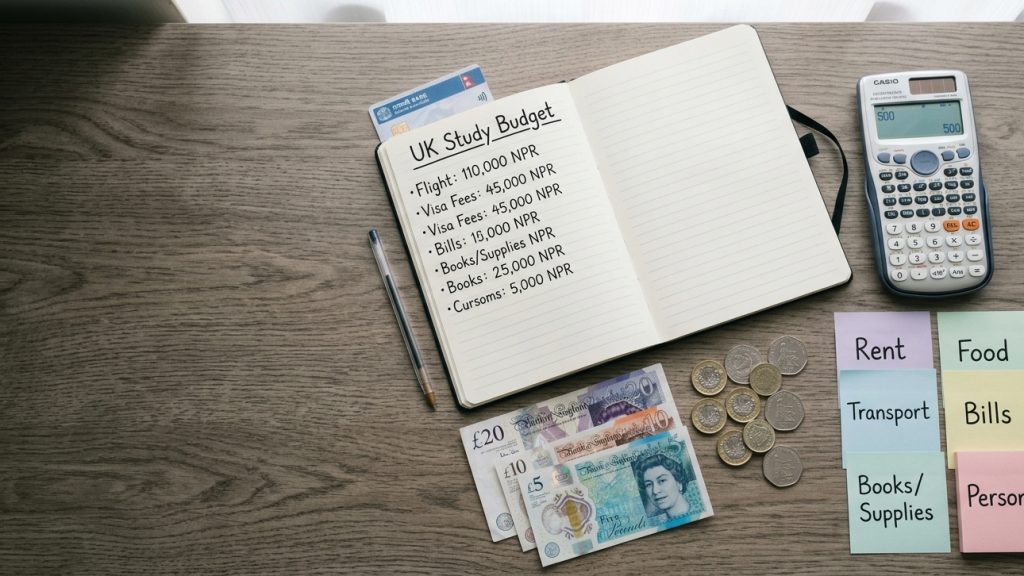
Being aware of hidden expenses allows you to plan realistically. It reduces financial stress and helps you stay focused on your studies.
A well-prepared budget ensures that you can fully enjoy student life without constant financial worry. It also helps you make smarter decisions about spending and saving.
When you decide to Study in the UK from Nepal, proper financial planning is just as important as choosing the right university. While tuition fees are a major investment, these hidden costs can shape your day-to-day experience.
As you pursue Higher Education in the UK, understanding these expenses will help you manage your budget effectively. From selecting the right Degrees and Programs to adjusting to Living in the UK, financial awareness plays a key role in your success.
Plan ahead, stay informed, and make the most of your journey without unexpected surprises.