The Role of Cultural Adaptation in Academic Success for Nepali Students in the UK
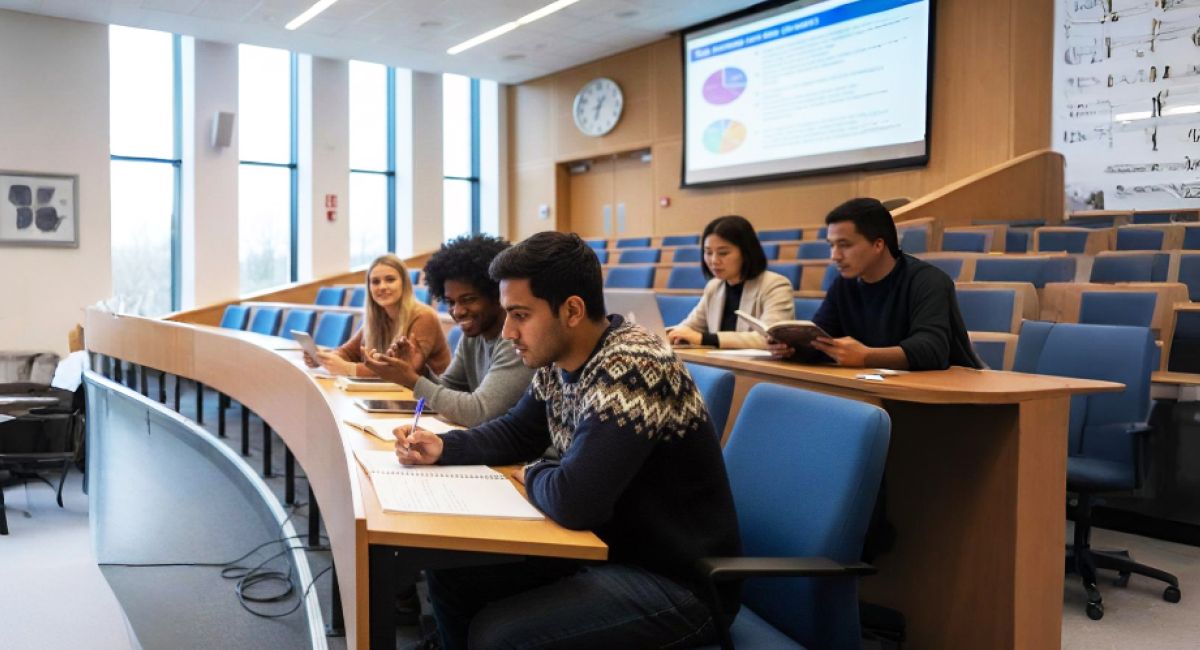
The journey from Nepal to a UK university carries excitement, but also a fair share of uncertainty. Lecture halls feel different, classrooms move at a different pace, the curriculum looks brand new, and academic expectations ask for fresh ways of thinking. Of course, a UK degree opens doors across the world. However, true success grows through confidence and the courage to step into unfamiliar spaces.
During you study in the UK and life on campus brings shifts in study patterns, communication habits, friendships, and daily routines. Nepali students who understand these changes early often feel more settled and prepared. Awareness creates a smoother transition and a university experience that feels both rewarding and empowering.
The UK Academic Environment and Its Expectations
Independent thought, debate, and research-based assignments are encouraged at UK universities. A large number of Nepali students come from educational systems that strongly emphasize memorization and formal instruction. In the early months, this discrepancy may cause confusion.
In the UK, lecturers anticipate that their students will challenge concepts, evaluate theories, and offer original, research-backed opinions. Active participation is required in seminar classes. Tutors may conclude that students lack confidence or preparation if they remain silent during discussions.
Early comprehension of the grading criteria often results in improved performance from students.
Essays, presentations, case studies, and group projects are frequently used in assessments. Strong referencing, critical analysis, and a clear structure are all very important. Understanding citation formats like APA or Harvard aids in preventing plagiarism problems. Workshops on academic writing and research methods provide valuable guidance. Universities often host orientation sessions that explain academic integrity, assessment expectations, and study skills. Students who attend these sessions gain clarity and feel more prepared for coursework.
Language Skills and Academic Communication
Proficiency in the English language is essential for success in the United Kingdom. Before coming, many Nepali students are proficient in grammar and reading. More work needs to be done on advanced writing and academic discussion. Group analysis, debate, and presentation assignments are all part of seminars. Early classes can make students apprehensive. Regular practice and involvement boost confidence. Tutors typically value sincere engagement and effort.
Adaptation is also necessary when writing essays. Clarity, organization, and arguments supported by evidence are valued in UK academic writing. On most campuses, there are writing support centers and feedback sessions for students. Students can improve essays and create a coherent argument flow by consulting with academic advisors one-on-one. Teamwork and spoken English can be enhanced through group projects. English and teamwork skills. Students who take active roles during discussions often develop stronger communication abilities and deeper subject understanding.
Social Integration and Peer Support
Academic success is significantly influenced by a robust social network. During stressful times like tests or assignment deadlines, friendship groups offer emotional support. Students are also exposed to fresh study methods and scholarly viewpoints through peer interaction. Diverse perspectives are available in international classrooms. Working together with classmates from other nations promotes respect and cross-cultural exchange. Students can review lectures, exchange notes, and get ready for tests in study groups.
Nepali student organizations at UK universities offer community support and cultural connections. These organizations plan social gatherings, festivals, and mentorship initiatives for recent immigrants. Seniors frequently mentor freshmen through the rigors of college life and academic obstacles. Balanced social interaction helps reduce homesickness and builds confidence. Students who feel connected to their community often show higher motivation and stronger engagement with coursework.
Cultural Differences in Classroom Interaction
Nepalese expectations for classroom behavior may not match those in the United Kingdom. Students speak politely and openly to their lecturers. Normal academic culture includes debate and direct questions. Opportunities for intellectual development may be limited if students remain silent or hesitate during class discussions.
Tutors support individual opinions. Respect is earned by students through thoughtful arguments as opposed to merely agreeing. Debate on contentious issues is a common feature of group discussions. Students who are exposed to a range of viewpoints are better able to think critically.
Office hours offer time for one-on-one academic counseling. Outside of class, many Nepali students are reluctant to approach their lecturers. Frequent interaction with tutors enhances assignments, builds academic relationships, and clarifies expectations.
Time Management and Independent Study
Independent study is highly valued in UK higher education. With little guidance, students handle reading lists, assignments, and research assignments. Time management skills become crucial. Weekly reading assignments for many courses call for self-control and persistent work. Exam stress is frequently decreased for students who make study plans in advance. Simple calendars, study apps, and digital planners all aid in keeping track of due dates and assignments.
Research materials can be found in libraries and online academic databases. Students can find reliable sources with the aid of workshops on information literacy and research techniques. Students who develop disciplined study habits typically perform better academically. Many international students work part-time jobs. Schedules that are balanced allow for both work and academic focus.
Maintaining Cultural Identity and Personal Values
Cultural adaptation does not require loss of identity. Many successful Nepali students maintain language, traditions, and cultural values throughout their studies. Cultural pride strengthens self-confidence and helps students contribute unique perspectives during academic discussions.
Festivals such as Dashain or Tihar provide moments of cultural connection and emotional comfort. Cooking traditional meals or speaking Nepali with friends helps maintain a sense of home. Cultural exchange events on campus encourage students to share traditions with peers from around the world.
Academic diversity benefits classrooms. Nepali students often bring strong work ethics, resilience, and unique cultural insights that enrich group discussions and collaborative projects.
Career Preparation and Professional Development
Cultural adaptation also influences career readiness. UK universities often encourage internships, networking events, and professional workshops. Understanding workplace culture becomes essential for academic and career success.
Students learn professional communication, teamwork skills, and industry expectations through career development programs. Participation in seminars, job fairs, and alumni events builds confidence and expands professional networks.
Volunteering or part-time work provides real-world experience. Exposure to multicultural workplaces helps students develop adaptability and global awareness. These skills enhance employability after graduation.
Practical Tips for Nepali Students in the UK
- Attend university orientation programs and academic workshops.
- Participate actively in seminars and group discussions.
- Use writing centres and language support services.
- Build friendships with both international and local students.
- Maintain a consistent study schedule.
- Seek help from tutors or advisors whenever confusion arises.
- Stay connected with Nepali communities for emotional support.
- Focus on mental health through balanced routines.
Cultural adaptation plays a central role in academic success for Nepali students in the UK. Adjustment to different degrees and programs, new teaching styles, strong communication skills, supportive social networks, and healthy emotional wellbeing all contribute to strong academic performance. Students who embrace new academic practices and maintain pride in their cultural heritage often achieve both academic excellence and personal growth.