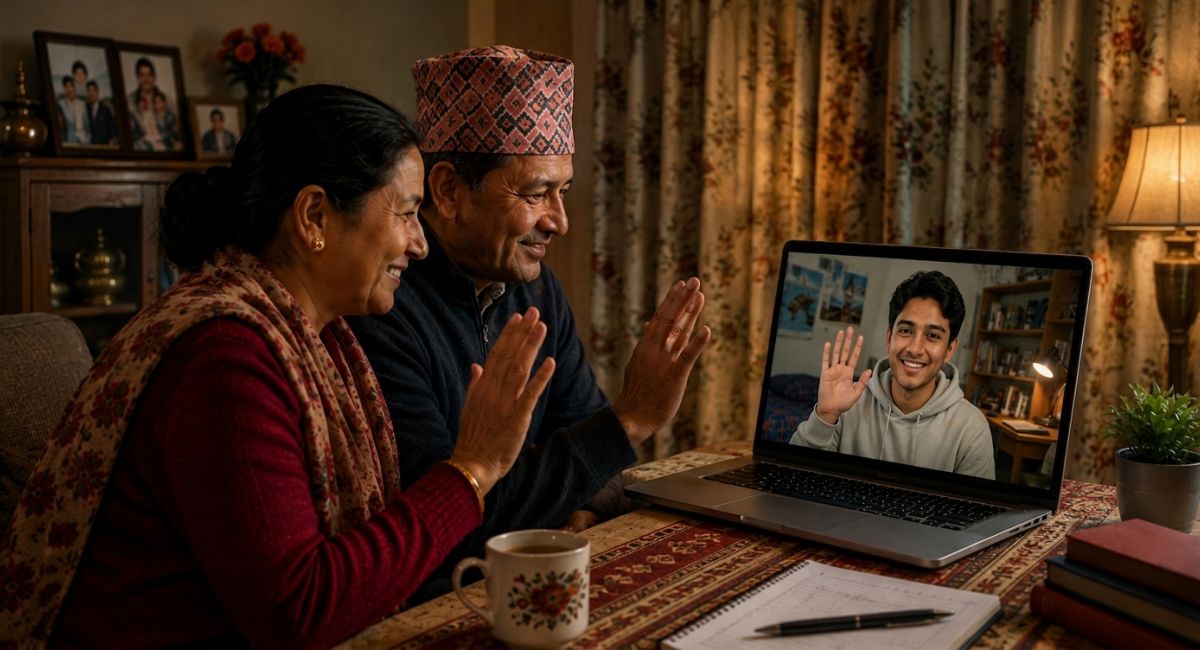
In countless homes across Nepal, conversations about the UK often begin long before any university application is submitted. They emerge gradually through discussions about education, career security, financial stability, and the kind of future parents hope their children will have. Over time, studying abroad stops feeling like a distant idea and starts becoming a family goal formed by planning and expectation.
Parents spend years saving money, researching universities, speaking to consultancies, and preparing themselves emotionally for the day their son or daughter finally leaves Nepal. Alongside the excitement of new opportunities comes a deep sense of worry. Many parents quietly wonder whether their child will adjust properly to life in the UK, remain safe in an unfamiliar environment, stay focused on studies, and cope with the loneliness that often comes with living far away from family for the first time.
These concerns are completely normal. The UK offers excellent educational opportunities, global exposure, and valuable life experience. At the same time, life abroad can feel very different from life in Nepal, especially during the first few months.
Here are some important things Nepali parents should understand before sending their children to the UK.
1. The First Few Months Are Usually the Hardest
Most parents imagine that students quickly settle into a comfortable routine after arriving in the UK, yet the reality is often far more challenging during the early months. Students suddenly find themselves adapting to a completely new country, unfamiliar weather, independent living, academic pressure, cooking and cleaning responsibilities, financial management, and homesickness all at once. Even students who appear confident may struggle quietly during this adjustment period. Parents should understand that emotional ups and downs are extremely common during the first semester, and stress does not necessarily mean the student made the wrong decision. A majority of students from Nepal gradually become more comfortable with time, routine, and the entire experience. During this stage, reassurance and emotional support from family can make a significant difference. Support and patience from family matter greatly during this stage.
2. UK Education Is Very Different from Nepal
Higher Education in the UK feels very different from what many Nepali students are accustomed to. UK universities expect students to become independent learners who can manage their own studies responsibly. Teachers usually guide students rather than closely monitor every aspect of their academic progress. Classroom interaction, attendance systems, assignment structures, and assessment methods may therefore feel unfamiliar at first. Students are often expected to think critically, complete research-based assignments, study independently outside class hours, and participate actively in presentations and group discussions. Universities also maintain strict plagiarism policies, which can initially surprise many students. Because of these differences, some students experience difficulty adjusting during the first few months. Parents should avoid assuming that lower grades at the beginning indicate failure, as adapting to a new academic environment often takes time and practice.
3. Part-Time Work Exists, Yet It Is Not Always Easy
One of the most common misunderstandings among families concerns part-time jobs in the UK. Although international students are allowed to work during their studies, many parents develop unrealistic expectations after hearing success stories from relatives or friends. In reality, part-time work can be physically and mentally demanding. Students often work in restaurants, retail stores, warehouses, hotels, delivery services, or care sectors, where shifts may be long and exhausting. Students must balance late-night work schedules alongside university deadlines and academic responsibilities. While some students secure jobs quickly, others may spend several months searching before finding stable work. Parents should therefore avoid placing immediate financial expectations on students after arrival. Academic stability, physical health, and mental wellbeing should always remain priorities.
4. Living Costs Are Higher Than Many Families Expect
Many families focus primarily on tuition fees in the UK during preparation, yet living expenses in the UK can also become a major financial responsibility. Students must manage accommodation costs, food, transportation, mobile and internet bills, winter clothing, study materials, deposits, and occasional emergency expenses. Living in the UK, especially in cities like London, can become especially high. Some students hesitate to discuss financial difficulties openly because they worry about causing stress for their parents back home. For this reason, honest communication within families becomes very important. Parents should prepare realistic financial plans before departure instead of relying entirely on the assumption that part-time jobs will cover most expenses.
5. Loneliness Can Affect Students More Than Parents Realize
During video calls home, many students try to appear cheerful and emotionally stable, which can lead parents to believe everything is going smoothly. However, homesickness affects almost every international student at some stage. Familiar aspects of daily life such as family meals, Nepali festivals, close friends, familiar language, and regular routines suddenly become deeply emotional. The colder weather and shorter daylight hours in the UK can also affect mood, especially during winter. Parents should encourage regular communication without creating additional pressure or expectations. In many situations, students simply need reassurance that loneliness and emotional struggles are temporary parts of the adjustment process.
6. Students Become More Independent Very Quickly
One positive change many parents eventually notice is a strong increase in maturity and independence. Living abroad forces students to manage responsibilities on their own, often for the first time in their lives. Over time, students learn valuable life skills such as time management, budgeting, cooking, problem-solving, communication, and self-discipline. Living independently teaches responsibilities that many young people may not fully experience while living at home in Nepal. Although some parents initially feel emotional about their children becoming less dependent, this independence often helps students grow into more confident, capable, and responsible adults.
7. Safety and Laws in the UK Are Taken Seriously
The UK is generally considered a safe destination for international students, particularly around university areas. Still, students must understand local laws and personal responsibilities carefully. Parents should regularly remind students to follow visa regulations properly, avoid illegal work arrangements, respect university policies, remain cautious while travelling, manage social situations responsibly, and protect personal belongings carefully. Simple awareness and responsible behaviour can help students avoid many unnecessary difficulties during their stay abroad.
8. Social Media Rarely Shows the Full Reality
Many Nepali families unintentionally compare their child’s experience abroad with carefully edited content they see online. Photos showing travel, restaurants, shopping, and social activities can create unrealistic expectations about student life in the UK. Behind those images, however, many students are quietly balancing assignments, financial pressure, exhausting work schedules, stress, and fatigue. Parents should therefore avoid constantly comparing their children with others. Every student experiences a different journey, and success rarely looks identical from one person to another.
9. Emotional Support Matters More Than Constant Pressure
Many international students already place significant pressure on themselves to succeed academically and financially. Repeated questions about jobs, earnings, grades, or comparisons with other students can sometimes increase anxiety further. Although parents naturally worry about their child’s future, encouragement and emotional reassurance are often more helpful than constant pressure. Students usually perform better when they feel trusted, understood, and emotionally supported by their families.
10. Studying in the UK Changes Students Beyond Academics
Parents often focus mainly on degrees, qualifications, and career outcomes, yet studying abroad also changes students personally in many important ways. Many students return from the UK more independent, confident, adaptable, and globally aware than before. They often develop stronger communication skills, greater maturity, and a broader understanding of different cultures and perspectives. These personal changes may not always appear immediately, yet they frequently shape long-term personal and professional growth in meaningful ways.

Sending a child to the UK is a deeply emotional journey for many parents where uncertainty, sacrifice, ambition, and long-term dreams play a vital role behind such decisions. Challenges will almost certainly appear along the way, and adjustment often takes time. Students may face stressful periods, make mistakes, or struggle emotionally during certain stages of their journey. Despite these difficulties, studying in the UK becomes one of the most transformative experiences of many students’ lives. Throughout this process, the strongest support parents can provide is patience, trust, understanding, and consistent encouragement rather than constant pressure for perfection.